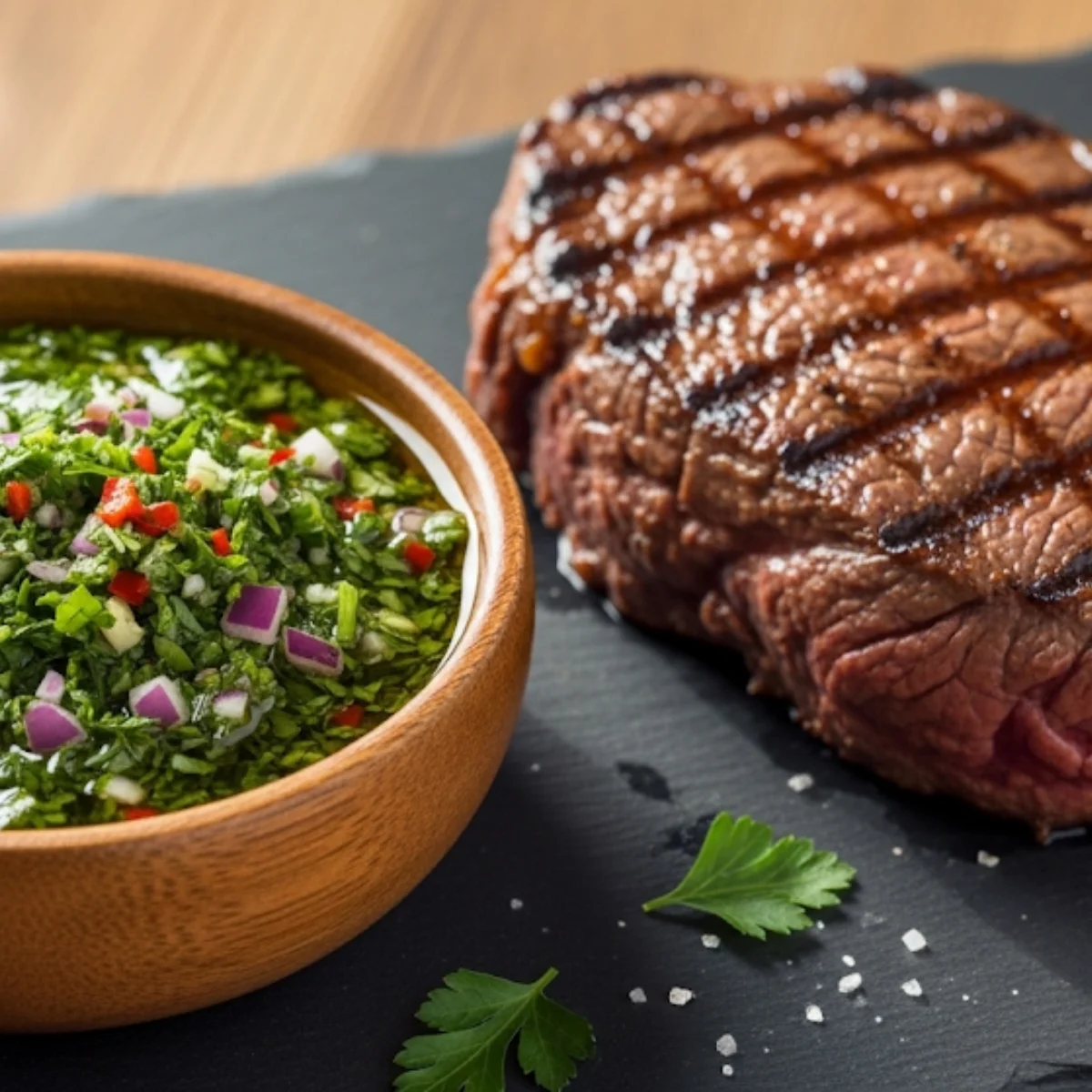
Few sauces can transform a meal quite like chimichurri. This vibrant Argentine condiment, bursting with fresh herbs, garlic, and tangy vinegar, is beloved for its bold flavor and versatility. Whether you’re grilling a juicy steak, roasting vegetables, or tossing together a quick weeknight dinner, chimichurri is the secret weapon that elevates any dish from ordinary to extraordinary.
What is Chimichurri?
Originating from Argentina and Uruguay, chimichurri is a green sauce traditionally served with grilled meats—especially steak. It’s often compared to pesto because of its herb base, but its flavor profile is completely different. Instead of cheese and nuts, chimichurri relies on fresh parsley, garlic, vinegar, olive oil, and spices, creating a tangy, garlicky, and slightly spicy condiment that wakes up the palate.
While the most common version is green chimichurri (chimichurri verde), there’s also a red variation (chimichurri rojo), which includes smoked paprika and sometimes roasted red peppers. The beauty of chimichurri lies in its adaptability—each cook has their own version, and you can adjust the recipe to match your personal taste.
Why You’ll Love This Chimichurri Recipe
-
Quick & Easy – Just 10 minutes in a food processor, and you’re done.
-
Fresh & Vibrant – A perfect balance of herbs, garlic, vinegar, and olive oil.
-
Versatile – Works as a marinade, sauce, or dressing.
-
Make-Ahead Friendly – Tastes even better after sitting for a few hours.
-
Naturally Vegan & Gluten-Free – A crowd-pleaser for any diet.
Whether you’re cooking for a summer barbecue, a weeknight family dinner, or meal prep for the week, chimichurri is a flavorful addition that everyone can enjoy.
Ingredients You’ll Need
Here’s the simple ingredient list for homemade chimichurri:
-
1 cup fresh flat-leaf parsley (tightly packed, thick stems removed)
-
1/2 cup fresh cilantro (tightly packed, thick stems removed)
-
2–3 garlic cloves (minced)
-
2 tablespoons red wine vinegar
-
1/2 cup olive oil (extra virgin for best flavor)
-
1/2 teaspoon smoked paprika
-
1/2 teaspoon dried oregano
-
1/2 teaspoon salt (adjust to taste)
-
1/4 teaspoon crushed red pepper flakes
Ingredient Notes & Swaps
-
Parsley – The base of chimichurri; use flat-leaf (Italian parsley) for the best flavor.
-
Cilantro – Traditional recipes often skip it, but cilantro adds freshness. If you’re not a fan, replace with more parsley.
-
Garlic – Adjust the number of cloves based on your preference for intensity.
-
Vinegar – Red wine vinegar is classic, but white wine vinegar or lemon juice can also work.
-
Olive oil – Use good-quality extra virgin olive oil for richness.
-
Spices – Paprika adds smokiness; oregano brings earthiness. You can also experiment with cumin or chili powder.
Kitchen Equipment Needed
You won’t need much to whip up chimichurri, but here’s what helps:
-
Food processor or blender (for quick prep)
-
Sharp knife and cutting board (if making by hand)
-
Measuring cups and spoons
-
Glass jar or airtight container (for storing)
Step-by-Step Directions
-
Prepare the herbs – Remove thick stems from parsley and cilantro, then pack them tightly into measuring cups.
-
Add to food processor – Combine parsley, cilantro, garlic, vinegar, olive oil, paprika, oregano, salt, and red pepper flakes.
-
Pulse to combine – Blend until the mixture reaches your desired consistency. Some like it smooth; others prefer it chunkier.
-
Taste & adjust – Add more vinegar for tanginess, oil for richness, or salt for seasoning.
-
Let it rest – Transfer to a jar or bowl and let it sit at room temperature for 15–20 minutes before serving. This allows the flavors to meld beautifully.
-
Store leftovers – Cover and refrigerate for up to 3 days. Bring to room temperature before using.
Pro Tips for the Best Chimichurri
-
Don’t over-blend – Chimichurri should be slightly chunky, not a smooth purée. Pulse, don’t process.
-
Make ahead – The flavors intensify after a few hours, so it’s great for prepping in advance.
-
Adjust heat – Add extra red pepper flakes or even a fresh chili pepper if you love spice.
-
Balance acidity – Too tangy? Add a touch more olive oil. Too oily? Add more vinegar.
How to Store Chimichurri
-
Refrigerator – Store in an airtight container for up to 3 days. Press plastic wrap directly onto the surface to minimize oxidation.
-
Freezer – Yes, you can freeze chimichurri! Pour into ice cube trays, freeze, then transfer to a freezer-safe bag. Use within 2 months.
Serving Ideas & Pairings
Chimichurri is incredibly versatile. Here are some delicious ways to enjoy it:
-
Classic pairing: Spoon generously over grilled steak, chicken, or lamb.
-
Seafood: Drizzle over shrimp skewers or grilled salmon.
-
Vegetables: Toss roasted potatoes, zucchini, or cauliflower with chimichurri.
-
Sandwiches & wraps: Use as a spread for burgers, paninis, or chicken wraps.
-
Salads: Thin out with a little extra vinegar and use as a tangy dressing.
-
Bread dip: Serve alongside warm crusty bread as an appetizer.
Drink Pairings
-
Red wine – Malbec, Cabernet Sauvignon, or Tempranillo complement the bold flavors.
-
White wine – Sauvignon Blanc or Albariño for seafood pairings.
-
Beer – A crisp lager or IPA balances the garlicky, herby notes.
Variations to Try
-
Chimichurri Rojo (Red Chimichurri): Add extra smoked paprika, a roasted red pepper, or even sun-dried tomatoes.
-
Citrus Chimichurri: Swap vinegar for fresh lemon or lime juice.
-
Spicy Chimichurri: Blend in jalapeños or serrano peppers for an extra kick.
-
Nutty Chimichurri: Stir in a handful of toasted walnuts or almonds for texture.
Frequently Asked Questions (FAQ)
Q: Can I make chimichurri without a food processor?
A: Absolutely! Just finely chop all ingredients with a sharp knife and mix in a bowl. This rustic version is closer to how it’s made traditionally.
Q: Is chimichurri healthy?
A: Yes! It’s made from fresh herbs, heart-healthy olive oil, and garlic. It’s naturally vegan, gluten-free, and full of antioxidants.
Q: Can I use dried herbs instead of fresh?
A: Fresh herbs are key to authentic chimichurri. If you must use dried, reduce the amount (1 tablespoon dried parsley for every 1/4 cup fresh).
Q: How long does chimichurri last in the fridge?
A: Up to 3 days. After that, the herbs lose vibrancy and the sauce becomes less fresh.
Q: Can chimichurri be used as a marinade?
A: Yes! It’s fantastic for marinating steak, chicken, pork, or shrimp. Just save some fresh chimichurri to serve afterward, since the marinade version will be discarded after use.
Final Thoughts
Chimichurri is proof that simple ingredients can create extraordinary flavor. With fresh parsley, cilantro, garlic, and a splash of vinegar, this sauce brings bold, zesty life to almost any dish. Quick to make, versatile, and customizable, it’s a staple recipe every home cook should master.
Whether you’re firing up the grill, meal prepping for the week, or just looking to add more flavor to everyday meals, chimichurri is your answer. Try it once, and it’s bound to become a kitchen favorite.
Call to Action
If you enjoyed this recipe, please share it with your friends and family so they can discover the magic of chimichurri too. Don’t forget to subscribe to TownRecipes.com for more high-end, flavor-packed recipes, cooking tips, and culinary inspiration delivered straight to your inbox!